

Dr Michelle Dickinson
Opening Speaker
Dr Michelle Dickinson
Opening Speaker
Dr. Michelle Dickinson MNZM is a pioneering engineer and technology strategist whose career bridges science, engineering, and emerging technologies. Driven by a mission to make complex ideas accessible and engaging, she has become a global leader in translating cutting-edge innovation into concepts that inspire action.
Raised with a curiosity for how things work, Michelle went on to earn a PhD in Biomedical and Materials Engineering, specialising in advanced nanomechanical techniques. Her academic research spanned materials science and biomedical engineering, producing an extensive body of published work.
Michelle’s career has seen her advising some of the world’s largest technology companies on nanotechnology and guiding them through the rapidly evolving landscapes of AI, quantum computing, and sustainable technology. She has held influential roles across academia and industry, including her ongoing position as an honorary academic in engineering at the University of Auckland.
As co-founder of Nanogirl Labs, she built innovative STEM education programmes that reached global audiences, before founding Matter Workshop, where she continues to champion creative approaches to STEM learning and corporate technology training. She also serves as an Honorary Wing Commander in the Royal New Zealand Air Force.
Beyond her technical expertise, Michelle is an accomplished author of bestselling science books, a creator and host of award-winning television series, and the voice behind top-charting science podcasts. Her ability to connect science to everyday life has made her a familiar presence in media and a trusted voice in public science communication.000
Michelle’s contributions have been recognised with numerous awards, including the Member of the New Zealand Order of Merit for services to science communication, the Sir Peter Blake Leadership Award, the Prime Minister’s Science Media Communication Prize, and the Women of Influence Award for Science & Innovation.
Dr Michelle Dickinson
Seeing the Road Ahead with Emerging Technologies
Every generation of eye care has been reshaped by new tools, from the first ophthalmoscope to today’s imaging, and the pace is only accelerating. Artificial intelligence, robotics, advanced diagnostics, and new models of care all promise to change how ophthalmologists work, yet the gap between a promising demonstration and a technology that genuinely earns its place in the clinic remains wide.
Dr Michelle Dickinson will bring the perspective of an engineer and technologist who has spent her career at the frontier of emerging technology, and who began her own research inside the cornea. She explores what history teaches us about which innovations last, why the hardest part of change is rarely the technology itself, and where the irreplaceably human judgement of the ophthalmologist fits in a rapidly shifting landscape. Curious, practical, and clear-eyed, it is an invitation to see the road ahead with sharper focus.
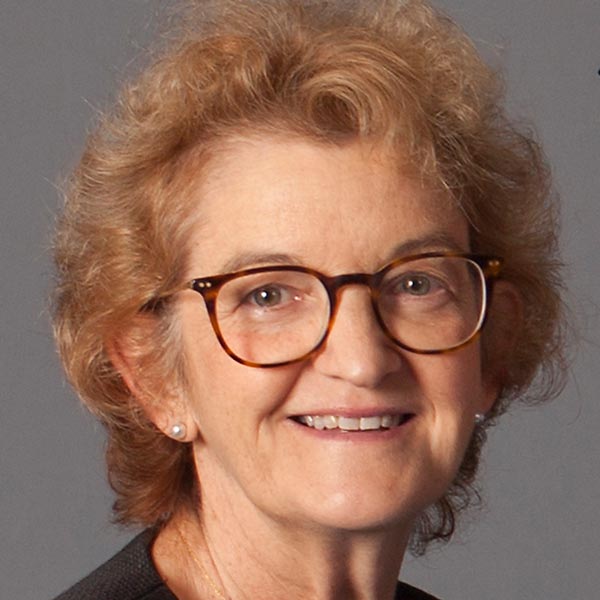
Prof Robyn Guymer AM
Council Lecture
Prof Robyn Guymer AM
Council Lecture
Robyn Guymer is Professor of Ophthalmology at Melbourne University and a deputy director of the Centre for Eye Research Australia. She is also a senior retinal specialist at the Royal Victorian Eye and Ear Hospital. She is a clinician scientist who leads a team of researchers primarily investigating Age related macular degeneration (AMD) and has co-authored over 450 peer reviewed papers. She is currently investigating new strategies for treating early stages of AMD and is working to identify novel imaging and functional biomarkers and surrogate endpoints to improve the feasibility of conducting early intervention trials.
She has been a principal investigator in many industry sponsored trials, serves on several pharmaceutical advisory boards and is a member of several international working groups on macular diseases. She is an inaugural fellow of the Australian Academy of Health and Medical Sciences. In June 2018 she was awarded the Member of the Order of Australia for significant service to medicine in the field of ophthalmology, particularly age related macular degeneration as a clinician, academic and researcher and in 2021 was inducted into the Victorian honour roll of Women and in 2024 received the Royal Victorian Eye and Ear Hospital’s board chair medal and the College’s Distinguished Service Medal.
Prof Robyn Guymer AM
Can you see it or can’t you?
and
You say EZee and I say EZd
Pivotal trials in geographic atrophy (GA) showed anatomical benefits but failed to show a functional benefit during the course of the trial. This led to a world divided- to treat or not treat GA? We have been working to improve the functional testing in GA, using a novel microperimetry protocol, so that next time, if a drug slows down the loss of photoreceptors we will be able to show better functional outcomes. Hopefully we will not make the same mistake again.
However, in a chronic slowly progressing disease like AMD we would like to intervene early, even before GA is present. But how do we design a trial that can show efficacy in a realistic time frame? We have been working to show that measuring the rate of loss of the outer retinal bands (representing photoreceptors), such as the Ellipsoid zone (EZ), are robust surrogate endpoints for trials starting with intermediate AMD (iAMD), making early intervention trials more feasible to undertake. We can even show that one intervention in iAMD does indeed slow loss of these outer retinal bands, preserving photoreceptors and the retinal pigment epithelium.
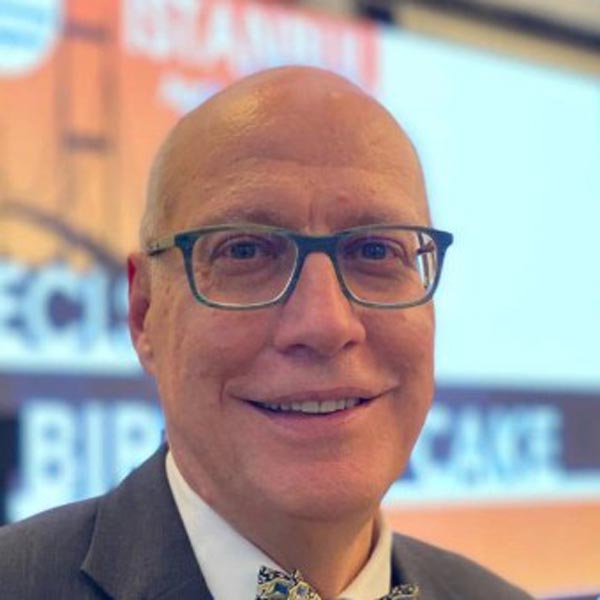
Prof Chris Hammond
Sir Norman Gregg Lecture
Prof Chris Hammond
Sir Norman Gregg Lecture
Professor Hammond is the Frost Professor of Ophthalmology and King’s College London and is a paediatric ophthalmologist and strabismus surgeon at St Thomas’ Hospital. He is a key opinion leader in management of myopia and through his work with the TwinsUK cohort in London his research group examines the genetic epidemiology of myopia, and also glaucoma, age-related cataract, dry eye disease and age-related macular degeneration.
His research is aiming to deliver personalized, predictive, preventive and participatory medicine, using Omics technology and Big Data analytics with the ultimate aim of reducing blindness and debilitating eye diseases. His research is highly collaborative, and he contributes to international consortia with data from the TwinsUK cohort, UK Biobank and local patient datasets.
Prof Chris Hammond
A Twin Tale: what causes cataract?
From Nettleship’s description of the Coppock familial cataract to Norman Gregg’s seminal discovery that cataract was caused by rubella, we have known about genetic and environmental causes of congenital cataract. What about age-related cataract? Chris Hammond will present his research based in the TwinsUK cohort in London and the UK Biobank, including establishing the heritability of age-related cataracts, the importance of environmental risk factors (such as diet, smoking and pollution), and the identification of the first genetic variants for age-related cataract. He will discuss the overlap between the genetics of “common” and “rare” eye diseases, and the use of modern genomic analytic techniques such as Mendelian Randomisation in understanding the pathogenesis of cataract.
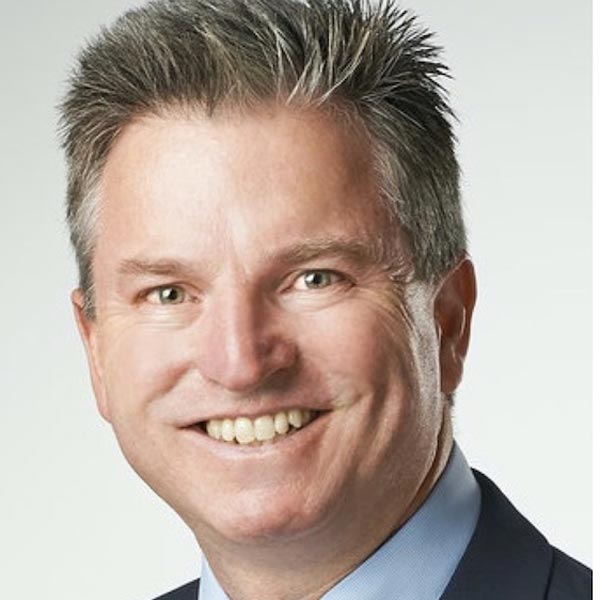
Prof Robert Casson
Dame Ida Mann Memorial Lecture
Prof Robert Casson
Dame Ida Mann Memorial Lecture
Professor Robert Casson
MB, BS (Hons), M. Biostats, DPhil, GAICD, FRANZCO
Professor Casson is an ophthalmic clinician/scientist who finds the Universe such a fascinating place that he can’t contain his interests. He has special interests in glaucoma, neuroprotection, retinal bioenergetics, epidemiology, and translational research. He completed his DPhil in the Nuffield Laboratory of Ophthalmology at Oxford University and a Master of Biostatistics at University of Adelaide. He is a Fellow of the Academy of Asia-Pacific Professors of Ophthalmology and is the Chair of the NGO, Sight For All. He is a graduate of the Australian Institute of Company Directors. He works in private practice and is a consultant ophthalmic surgeon at the Royal Adelaide Hospital. He aims to foster interdisciplinary solutions to eye-related problems and promote sustainable eye health care throughout the Asia-Pacific.
Prof Robert Casson
Dame Ida Mann Memorial Lecture 2026
Professor Robert Casson
Retinal Energy Metabolism: Life on a Knife Edge
Life is sustained by the capture, transformation, and utilisation of energy. From the earliest origins of life, biological systems have evolved to operate under thermodynamic constraints, balancing efficiency with survival. The retina represents an extreme example of this principle: one of the most metabolically demanding tissues in the human body, yet functioning with limited reserve and in a relatively hypoxic environment. In this sense, retinal cells exist perpetually on a knife edge between function and failure.
This lecture will explore the fundamental principles of retinal energy metabolism, including the interplay between glycolysis, oxidative phosphorylation, and metabolic coupling within the neurovascular unit. Disruption of these tightly regulated processes is increasingly recognised as a central mechanism in a range of blinding disorders, including glaucoma and age-related macular degeneration.
Building on these concepts, the lecture will examine how advances in our understanding of retinal bioenergetics are now informing therapeutic strategies. Particular focus will be given to metabolic interventions aimed at enhancing neuronal resilience, including emerging clinical evidence from nicotinamide (vitamin B3) supplementation and related approaches to neuroprotection.
By linking fundamental thermodynamic principles to clinical translation, this lecture will highlight how targeting energy metabolism offers a promising pathway to preserving vision, and reflects an enduring commitment to bridging laboratory discovery with patient care.
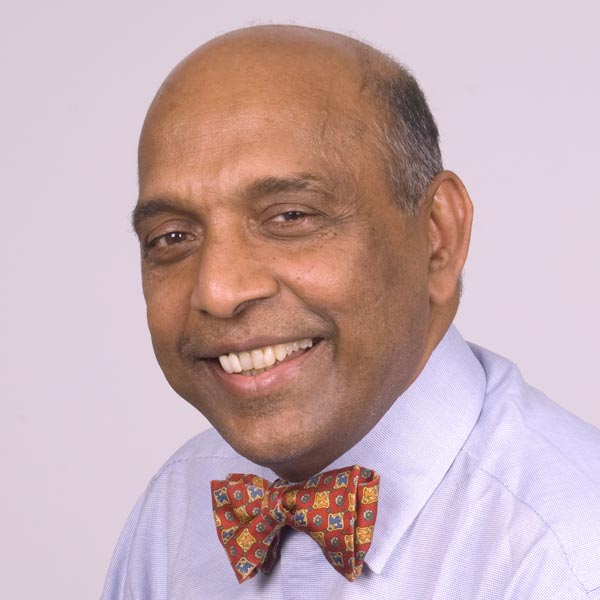
Dr Gullapalli N Rao
Hollows Lecture
Dr Gullapalli N Rao
Hollows Lecture
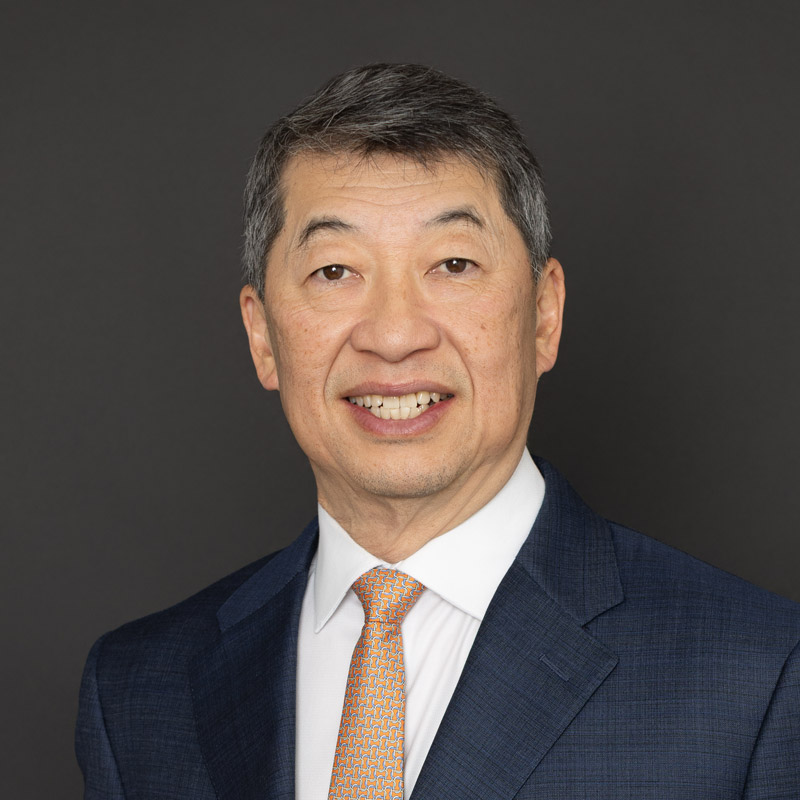
After a successful career in the US as an academic Ophthalmologist, in 1987 Dr. Gullapalli N Rao established the L V Prasad Eye Institute in Hyderabad, India 38 years ago and is the Founder & Chair of that Institute. L V Prasad Eye Institute is a complex of modern eye hospital with advanced training programmes for ophthalmologists and allied eye health personnel, an eye research centre, rehabilitation programme, product development and high quality eye care models for underserved areas.
Dr. Rao received his basic medical education in Guntur, Andhra Pradesh, and completed his postgraduate residency training at Dr. Rajendra Prasad Centre for Ophthalmic Sciences, All India Institute of Medical Sciences, New Delhi. In the US, he trained at Tufts University School of Medicine in Boston, and later at the School of Medicine, University of Rochester, where he continued on the faculty until 1986.
Dr Gullapalli N Rao
Reconciling Excellence with Equity:
A model of High Quality, Comprehensive and Sustainable Eye Care
While significant achievements have been made over the past three decades, the burden of vision impairment has increased because of problems associated with lifespan and lifestyle. Availability, affordability and accessibility remain major challenges. The solution lies in the development of comprehensive eye health systems addressing all these challenges.
L V Prasad Eye Institute (LVPEI) has developed an integrated, multi-tier and pyramidal model that offers comprehensive eye care. Distribution of care to different levels with appropriate infrastructure, trained human resources and operating systems without compromising quality has made high quality care available, accessible and affordable. Innovations such as “Vision Centres” for primary eye care integrated to “Secondary level Eye Care Centres” and then vertical integration to tertiary and quaternary levels constituted the system. Adoption of newer technologies made it more effective. Advantages of this decentered care included cost savings, comfort and convenience to patients as well as the positive impact on carbon print. Financial sustainability was possible through innovative cross subsidisation model.
The network currently extends to 317 geographic locations covering 3 states of South and Eastern India.
The entire evolution had the basis from the results of the large scale epidemiolocal study, the Andhra Pradesh Eye Disease Study (APEDS).
Dr David Chang
Cataract Update Lecture
Dr David Chang
Cataract Update Lecture
David F. Chang, MD is a Summa Cum Laude graduate of Harvard College and Harvard Medical School. He completed his ophthalmology residency at the University of California, San Francisco where he achieved the rank of clinical professor in 1999. Dr. Chang is past president of ASCRS and served on their executive board for 15 years. He is a past chair of the AAO Cataract Preferred Practice Pattern Panel and the AAO Annual Meeting Program Committee. Dr. Chang previously served as chief medical editor of EyeWorld, and Cataract and Refractive Surgery Today. He is past chair of the ASCRS Foundation and received the 2019 AAO Humanitarian Service Award and the 2020 Aravind Venkataswamy Award. Dr Chang is co-founder and the advisory board chair of EyeSustain, a global consortium of 58 eye societies advancing sustainability in ophthalmology.
Dr. Chang has received honors from the following international organizations: AAO (Kelman Lecture), ASCRS (Binkhorst Medal, Kelman Innovator Award, and Lindstrom Medal), ESCRS (Ridley Medal), APACRS (Lim Medal), UKISCRS (Rayner Medal), RANZCO (Gregg Medal), BRASCRS (Lifetime Achievement Award), APAO (Jose Rizal International Medal), MEACO (El-Maghraby International Award), and the ICO (T. Krwawicz Gold Medal). Including these, he has delivered more than 70 named lectures.
Dr Chang holds chair XI in Academia Ophthalmologica Internationalis, the international academy of 100 leading academic ophthalmologists. In a poll of American ophthalmologists, he was voted #1 in Newsweek’s 2025 list of the top cataract surgeons in the United States. He was ranked #2 in the 2024 “Power List” of the 100 most influential ophthalmologists as selected by The Ophthalmologist.
Dr David Chang
Cataract Update Lecture
What’s New in Cataract Surgery: My Top 5 List for 2026
This lecture will highlight new developments in five different areas of cataract and IOL surgery. In the refractive IOL arena, I now routinely recommend a refractive EDOF IOL in one eye, with a diffractive multifocal IOL in the second eye. Harmonizing the optics of each platform produces visual function that is not currently attainable with a single IOL design and is the most exciting development in my own refractive IOL practice. Why must patients desiring full range uncorrected vision accept the requisite optical tradeoffs bilaterally?
This strategy, which I call “surf and turf”, simplifies the decision process for patients, who may still choose the same IOL for their second eye if they are happy with the first eye’s outcome. For endophthalmitis prophylaxis, I will highlight two 2026 publications supporting intracameral moxifloxacin – a randomized controlled trial and the largest published retrospective data set. In the sustainability arena, I will show data supporting the safety of off-label reuse of single-use phaco cassettes and highlight EyeSustain’s landmark multisociety position paper calling for all phaco machines to offer day cassettes.
The impact of this goal on carbon emissions and microplastic waste will be quantified. For non-capsular IOL fixation, I’ll show a prosthetic capsular bag that is currently in a U.S. FDA pivotal trial. This permanently implanted device fixates any single-piece IOL design. Finally, I’ll show video from the first-in-human, completely robotic assisted cataract surgeries performed under topical anesthesia. Should we fear or welcome this technology? The implications of fully autonomous robotic surgery will be discussed.
Prof Anthony Khawaja
Glaucoma Update Lecture
Prof Anthony Khawaja
Glaucoma Update Lecture
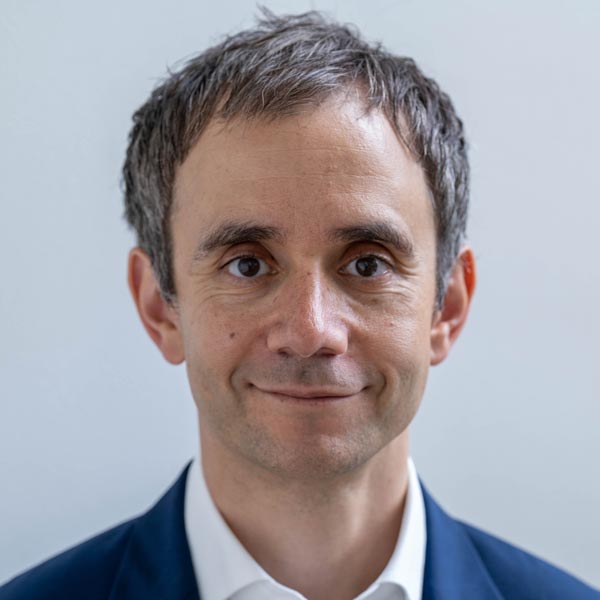
Anthony Khawaja PhD FRCOphth is Professor and Honorary Consultant Ophthalmic Surgeon at the UCL Institute of Ophthalmology and Moorfields Eye Hospital, London, UK. He is currently a UK Research & Innovation Future Leaders Fellow and a Lister Institute of Preventive Medicine Fellow. Anthony completed a Wellcome Trust funded Epidemiology Masters and PhD programme at the University of Cambridge, and a Berkeley Fellowship at Harvard Medical School. His research concerns the genetic and environmental causes of glaucoma. Anthony’s ultimate aim is to develop prediction models that enable efficient population screening of glaucoma and personalised glaucoma care in the clinic, as well as identifying novel biological pathways amenable to treatments.
Recent awards include American Academy of Ophthalmology Senior Achievement and Secretariat Awards and a National Health Service (NHS) National Clinical Excellence Award. Anthony is currently Chair of the SNOMED International Eye Care Clinical Reference Group, Chair of the NHS England Imaging Interoperability Task and Finish Group, Chair of the Royal College of Ophthalmologists Informatics Committee, President of the European Eye Epidemiology Consortium and Director of the European Society of Ophthalmology Leadership Development Programme. In his spare time, Anthony is passionate about music: he plays the piano, composes, and enjoys listening to broad range of music. His most played record of 2024 was In Waves by Jamie xx.
Prof Anthony Khawaja
Rethinking Glaucoma Risk Factors
Epidemiological methods have improved dramatically in recent times and leveraging this progress, this lecture aims to revisit what really predicts and causes glaucoma. I will re-examine some traditional risk factors such as myopia and corneal thickness, and delve deeper into some of the more controversial risk factors. Modern epidemiological methods will be simplified to enable the audience to learn how to interpret studies such as mendelian randomization and genome wide association studies. There will also be a focus on modifiable risk factors as understanding these are of the highest priority for our patients.
Prof Valerie Biousse
Neuro-ophthalmology Update Lecture
Prof Valerie Biousse
Neuro-ophthalmology Update Lecture
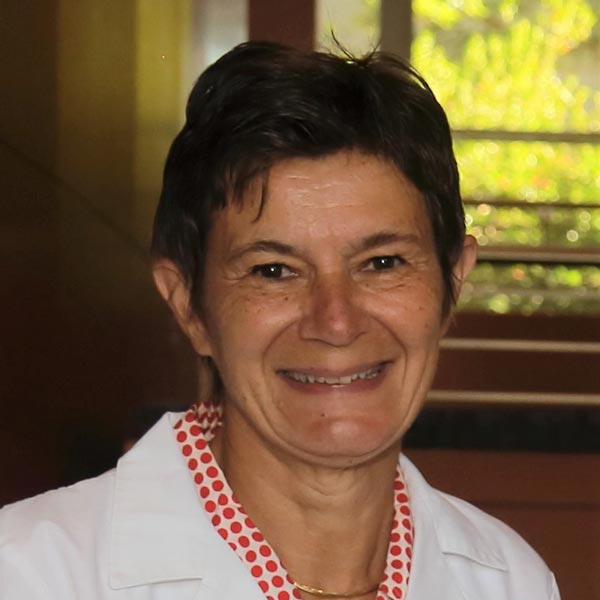
Valerie Biousse, MD holds the Reunette Harris Chair of Ophthalmologic Research, and is Professor of Ophthalmology and Neurology in the section of neuro-ophthalmology at Emory University School of Medicine in Atlanta, GA, USA. She serves as Vice Chair for Faculty Affairs, Diversity, Equity and Inclusion and Neuro-Ophthalmology Fellowship Director in the Department of Ophthalmology at Emory University.
Dr. Biousse is a fellow of the North American Neuro-Ophthalmology Society and of the French Society of Neurology and an elected member of the American Ophthalmology Society and American Neurological Association, and multiple other national and international societies, including the American Academies of Ophthalmology and Neurology and the French Society of Ophthalmology. She serves on the editorial board of the Journal of Neuro-Ophthalmology as Senior Editor, on the editorial board of Frontiers in Neurology as Specialty Chief Editor for Neuro-Ophthalmology, on the editorial board of Current Opinion in Neurology and of the Journal Stroke. She also serves as the Neuro-Ophthalmology Section Lead for the American Academy of Ophthalmology ONE Network. She currently also serves on the Board of Directors and is Immediate pas Chair of the Board/Past President of the North American Neuro-Ophthalmology Society.
She has more than 500 publications, including scientific articles, book chapters and books, including the primary textbook Neuro-Ophthalmology and Walsh & Hoyt’s Clinical Neuro-Ophthalmology, 6th Edition, 2005, and the didactic textbook Neuro-Ophthalmology Illustrated (Thieme, 2009, 2016 and 2019 –awarded “best Neurology book of the year” by the British Medical Association in 2016 and received the “PROSE award” from the American Association of Publishers in 2017). Her current research focuses on four primary areas: (1) idiopathic intracranial hypertension, (2) the use of non-mydriatic fundus photography for the diagnosis of neuro-ophthalmic disease in various clinical settings and deep learning applications, (3) diagnostic errors and referral patterns in neuro-ophthalmology, and (4) ocular manifestations of cerebrovascular diseases.
Prof Valerie Biousse
Valérie Biousse, MD.
Emory University School of Medicine. Atlanta GA. USA
Implementation of fundus cameras in Emergency Departments: A new paradigm!
The goal of this lecture is to describe the positive impact of implementation of non-mydriatic ocular imaging including color fundus photographs and optical coherence tomography (NMFP-OCT) in general university-hospital emergency departments (ED) on patient outcomes, prevention of diagnostic errors, emergency department flow efficiency, neurology and ophthalmology consultation efficiency, and trainee education and well-being, as well as the sustainability and potential generalization of such initiatives.
Ocular fundus findings such as papilledema are red flags in the evaluation of headache and of patients with numerous neurologic and visual complaints but are often missed in the ED where ocular fundus examination is rarely performed and ophthalmologists are usually not directly available. Additionally, patients with acute visual loss from retinal arterial ischemia such as from central or branch retinal artery occlusion (CRAO/BRAO) often have a delayed diagnosis, precluding them from receiving timely evaluations by stroke neurologists and early treatment with thrombolysis. Studies have suggested that non-mydriatic ocular imaging could replace ophthalmoscopy in the ED.
Recent technologic improvements have allowed implementation of ocular imaging with remote interpretation by ophthalmologists in various clinical settings, as well as development of various protocols aimed at accelerating the diagnosis of ocular disorders such as “eye stroke” and papilledema. Recent studies have shown that NMFP-OCT performed by ED-staff on patients with vision complaints, headaches, neurologic and neurosurgical disorders, or hypertensive crisis, with remote interpretation of ocular imaging by ophthalmologists: 1) prevented diagnostic errors; 2) accelerated triage and patient discharge from the ED; 3) reduced in-person ophthalmology consultations; and, 4) reduced burden and increased confidence among trainees. A few studies have confirmed the sustainability of this paradigm and offer strategies for generalization to other institutions.
Prof Dan Martin
Retina Update Lecture
Prof Dan Martin
Retina Update Lecture
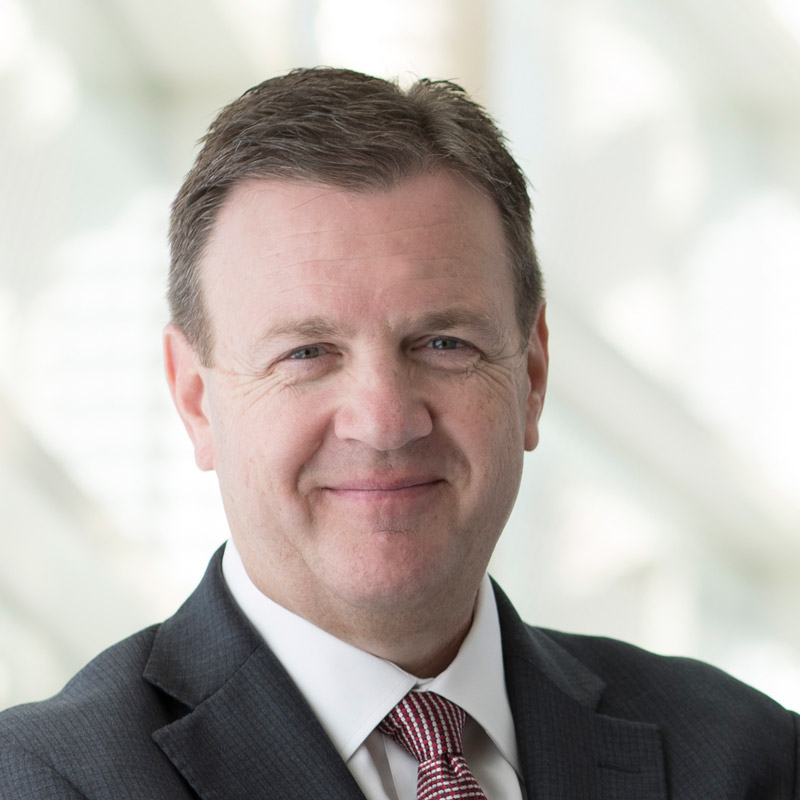
Daniel F. Martin MD is Professor of Ophthalmology at the Emory University School of Medicine. He completed medical school at The Johns Hopkins University School of Medicine followed by residency and chief residency in ophthalmology at Emory University School of Medicine. He completed a fellowship in vitreoretinal surgery at Duke University Eye Center followed by a fellowship in uveitis and clinical trials at the National Eye Institute/National Institutes of Health. From 1993 to 2008, Dr. Martin was on faculty at Emory ultimately serving as the Thomas M. Aaberg Professor of Ophthalmology and Interim Chair of the Department of Ophthalmology. From 2008 to 2024, Dr Martin served as Chair of the Cleveland Clinic Cole Eye Institute and the Barbara and A. Malachi Mixon III Institute Chair in Ophthalmology. He returned to the faculty at Emory in 2025.
Dr. Martin currently serves as the Network Chair for the DRCR Retina Network. He previously served as the Study Chair for the Comparison of AMD Treatments Trials (CATT) and has served as Study Chair for many other national clinical trials including those that led to FDA approval of the ganciclovir implant and valganciclovir. Dr. Martin has served as PI, member of the DSMC, and/or member of the Steering Committee for dozens of other studies including AREDS, SOCA, and MUST. He has published more than 230 peer-reviewed articles, delivered 51 named and keynote lectures, and delivered more than 570 invited lectures. Dr. Martin has served in numerous society leadership roles including recently as President of the Macula Society. Dr. Martin has been the recipient of numerous awards including the 74th Edward Jackson Memorial Lecture, the AAO Lifetime Achievement Award, the AAO Secretariat Award, the AAO Senior Achievement Award, the Heed-Gutman Award from the Society of Heed Fellows, the J. Donald M. Gass Medal from the Macula Society, the Roger Johnson Award in AMD Research from the University of Washington, the Pyron Award and the Crystal Apple Award from the American Society of Retina Specialists (ASRS), the Rosenthal Young Investigator Award from the Macula Society, the Sam and Maria Miller Award for Scientific Achievement in Clinical Research from the Cleveland Clinic, the J. Donald M. Gass Lectureship Award from the Retina Society, the Lifetime Achievement Award for Excellence in Clinical Trials, and the Cless Medal. Dr Martin has previously served on the Board of Governors for the Cleveland Clinic.
Prof Dan Martin
The DRCR Retina Network: Clinical Trials We Did and Didn’t Do and Why
The Diabetic Retinopathy Clinical Research Network (DRCR.net) was founded in 2002 to conduct high quality, collaborative clinical research that improves vision and quality of life for people with diabetic retinopathy. In 2017, the Network expanded its scope beyond diabetic retinopathy to perform research on other retinal diseases, and the name was changed to the DRCR Retina Network. Over the last 24 years, the Network has performed 42 multicenter clinical studies at more than 150 sites across North America. Many of these studies have redefined the standard of care for a variety of retinal diseases, while others have been exploratory in nature setting the stage for larger more comprehensive studies.
In this talk, I will review some of the most important findings from our key clinical trials. Next, I will briefly review our nine ongoing studies and why they are important. Last, I will discuss a few important clinical questions that we carefully considered for a clinical trial but ultimately elected not to proceed to study.
Over the last 24 years, we have considered more than 300 protocol ideas from many different sources. Understanding how we develop trials and whether to proceed should give real insight into how difficult it is to answer important and common clinical questions. The talk is designed to give an overview of the evolution of new treatments for a variety of retinal diseases and to provide insight as to how clinical trials are developed and the challenges that arise.
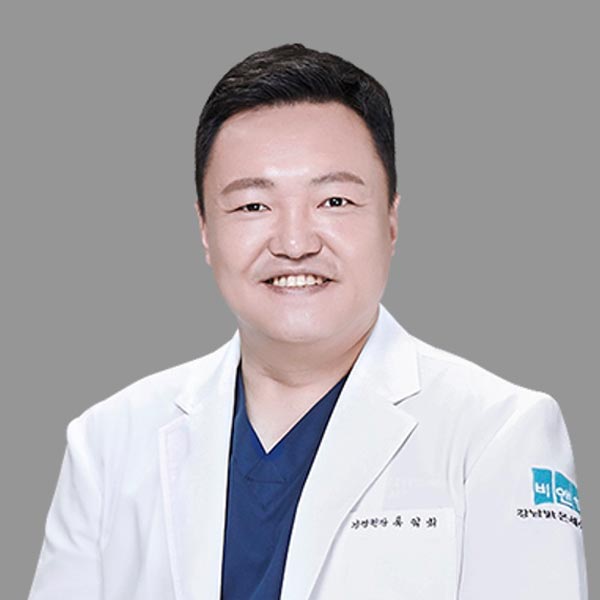
Dr Ik Hee Ryu
Refractive Update Lecture
Dr Ik Hee Ryu
Refractive Update Lecture
IkHee Ryu, MD, MS, PCEO, FWCRS
Physician CEO of B&VIIT Eye Center, Co-founder/CEO of Visuworks Inc.
Dr. IkHee Ryu is a globally recognized refractive surgeon, innovator, and entrepreneur based in Seoul, South Korea. He currently serves as the Physician CEO of B&VIIT Eye Center, one of the world’s premier vision correction institutions, and as the Asia Region Chairman and Board Member of the World College of Refractive Surgery & Visual Sciences (WCRS).
With over 20 years of elite clinical experience, Dr. Ryu has performed more than 80,000 laser refractive procedures (including SMILE, SMILE Pro, LASIK, and PRK) and over 15,000 phakic IOL implantations (including EVO/EVO+ ICL, Artisan/Artiflex, and KPL/IPCL/Optiflex Glaze). His extensive research and clinical expertise have earned him international recognition as a Global EVO Ambassador for STAAR Surgical, and a Key Opinion Leader (KOL) for Zeiss Meditec, Oculus Asia, and Alcon. Recently, he participated as a clinical trial doctor for KoryoEyetech’s ‘KPL’ lens, the first Korean phakic IOL, which he performed over 300 successful cases as the leading physician.
Driven by a vision to integrate medicine with technology, Dr. Ryu co-founded and serves as CEO of Visuworks Inc., an advanced ophthalmology-based artificial intelligence company. Visuworks develops AI-powered solutions to assist surgeons in optimal candidate screening, precise phakic IOL sizing, and myopia control. Under his leadership, the company is expanding its frontiers to predict chronic systemic conditions—such as diabetes, hypertension, and cardiovascular diseases—via fundus photography, establishing Dr. Ryu as a pioneer bridging the gap between clinical excellence and digital health innovation.
Dr Ik Hee Ryu - Refractive Update Lecture
The Next Frontier in Refractive Surgery
RANZCO 2026 Abstract
Dr Ik Hee Ryu — Physician CEO, Refractive Surgeon, B&VIIT Eye Center, Seoul, Korea
This presentation evaluates emerging technologies reshaping refractive surgical practice—including fourth-generation KLEx lenticule-extraction platforms compared head-to-head with established lenticular platforms; ray-tracing–guided personalised excimer ablations incorporating ocular biometry; artificial-intelligence models for refractive candidate screening and procedure selection; ensemble machine-learning models predicting posterior-chamber phakic IOL vault size compared with manufacturer nomograms; and a corneal-allograft presbyopia-correcting inlay.
We included early-postoperative benchmarking across four KLEx devices (SMILE Pro on a next-generation VisuMax platform, CLEAR on Ziemer Z8, SmartSight on SCHWIND ATOS, and SILK on an ELITA biconvex-lenticule platform) along with a matched case-control comparison between femtosecond-platform generations (Ryu et al., Scientific Reports 2024); a multi-center (4-centers, 224 eyes) post-market study of ray-tracing–guided WaveLight Plus custom LASIK; external validation across >15,000 subjects of deep-learning AI for screening and procedure selection (Yoo et al., npj Digital Medicine 2019 / TVST 2020); a large-cohort (1,745 eyes) machine-learning validation for phakic IOL vault prediction (Kamiya, Ryu, Yoo et al., AJO 2021); and a 4-year European multicentre trial of the TransForm corneal allograft inlay (101 patients enrolled, 71 retained at 4 years).
Modern refractive surgery has transitioned from basic spherical correction to personalized optical design. In KLEx, the VISUMAX 800 reduced laser time (<11 seconds) and significantly lowered induced total higher-order aberrations (HOAs) at 1 month compared to the 500 platform (0.176 vs. 0.247 µm, P=0.036), driven by integrated cyclotorsion and centration assistance. For customized LASIK, whole-eye ray-tracing-guided planning (WaveLight Plus) delivered high predictability, with 92.0% of eyes within ±0.50 D of the mean refractive spherical equivalent at 3 months. In decision support, stacking-ensemble ML models outperformed manufacturer nomograms for ICL vault prediction, reducing mean absolute error to 106.88 µm. For presbyopia, the 4-year data on corneal allograft inlays demonstrated sustained binocular uncorrected near visual acuity of 20/40 or better in 98.6% of emmetropic presbyopes, with excellent reversibility and safety.
Refractive surgery is being reshaped by accelerated lenticule-extraction platforms, anatomically individualised wavefront/ray-tracing–guided excimer treatments, clinically validated AI-driven screening and decision support, machine-learning phakic-IOL sizing algorithms, and next-generation presbyopic implants. Together, these technologies deliver measurably safer, more predictable, and more personalized visual restoration.