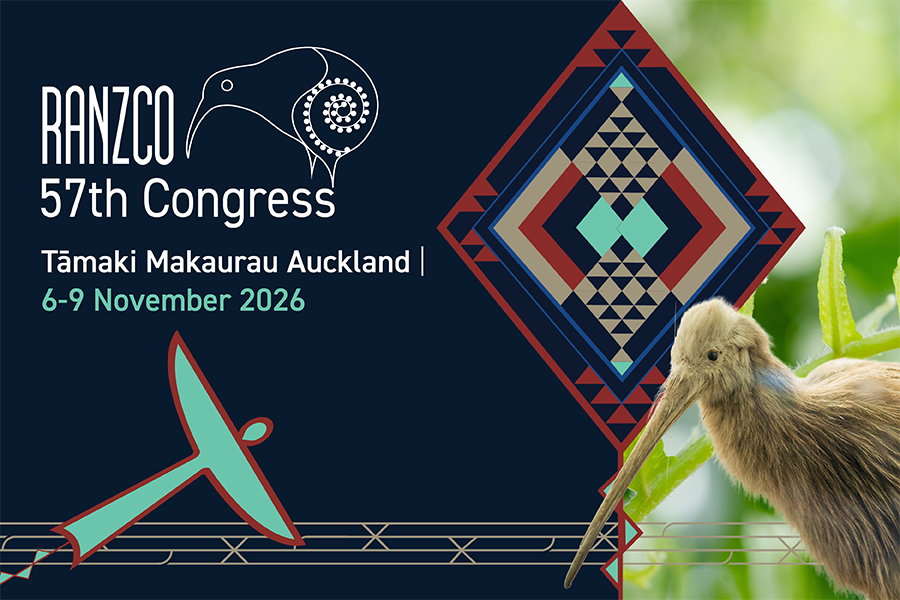
Ngā Hau e Whā – the four winds that arrive from every direction
Ngā Hau e Whā describes the four winds, it is often used to reflect the diversity of people, perspectives and knowledge that strengthen communities. Within Māori culture, the winds are more than physical forces; they are carriers of connection, change, exchange and movement. As currents converge, becoming a metaphor for the many voices and experiences that contribute to a shared purpose: advancing eye health for the wellbeing of communities across the regions.
Carried within these currents are a series of manu tukutuku (traditional Māori kites, see below for examples), representing aspiration, learning and the pursuit of new horizons. Traditionally used for observation, communication and connection, manu tukutuku often carried cultural narratives that reflected our understanding of the world.
Within the design, the kites represent the collective aspirations of the RANZCO community – clinicians, researchers, educators and patients. While each kite follows its own path, together they share the same sky, reflecting the strength that emerges through collaboration and sharing knowledge.
The winds themselves can be seen as a metaphor for the role of RANZCO: a guiding force that supports its people in improving outcomes for those in their care.
The interconnected nature of the work reflects Māori values; whanaungatanga (relationships and reciprocal responsibility) and kotahitanga (unity and collective purpose). Together, these elements express a future-focused vision where diversity is valued, collaboration creates momentum for the benefit of future generations.
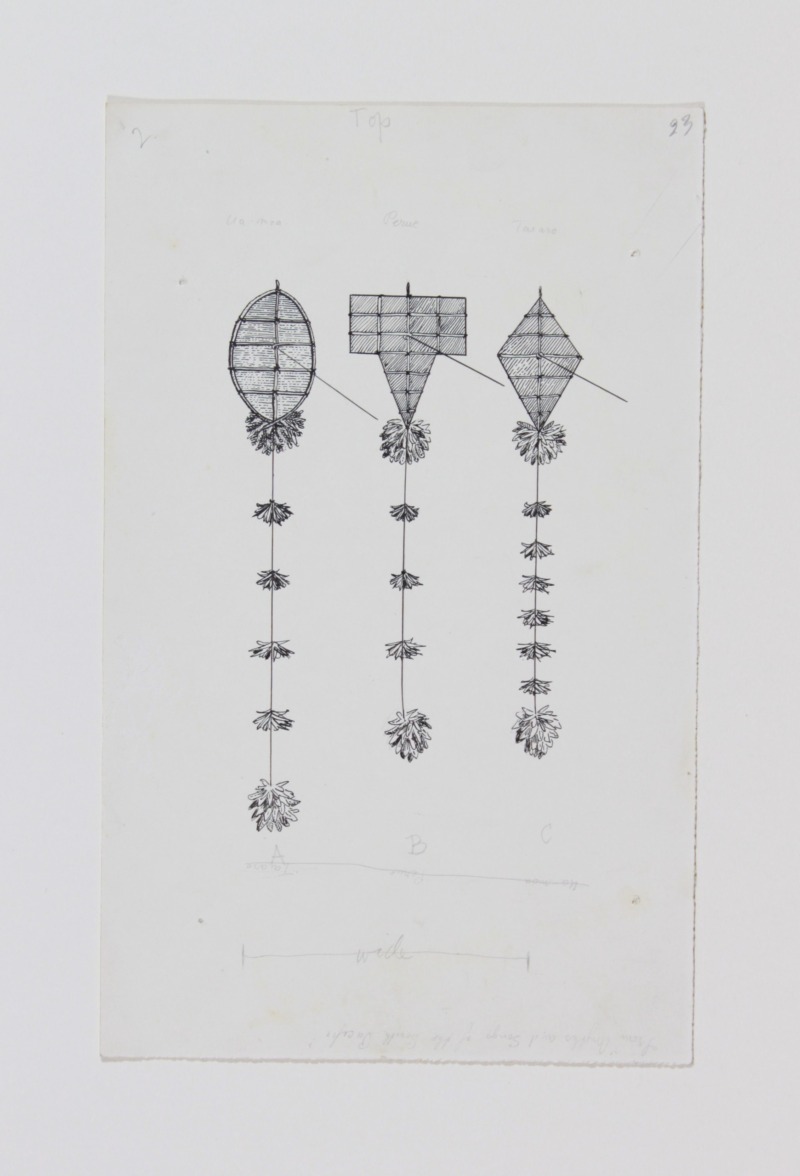
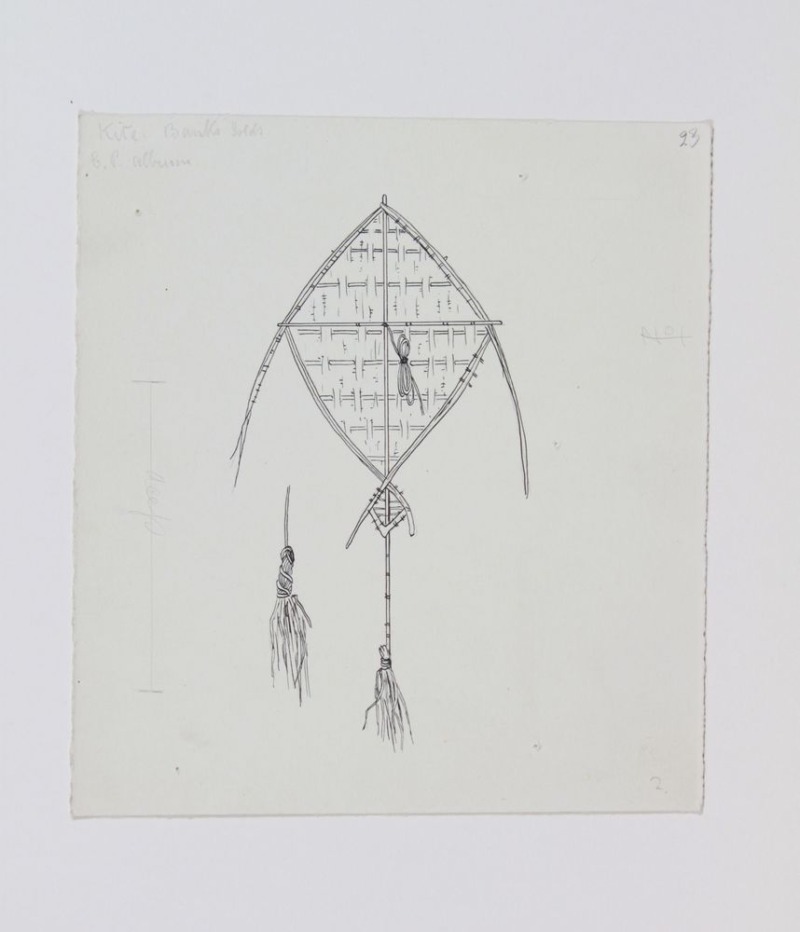
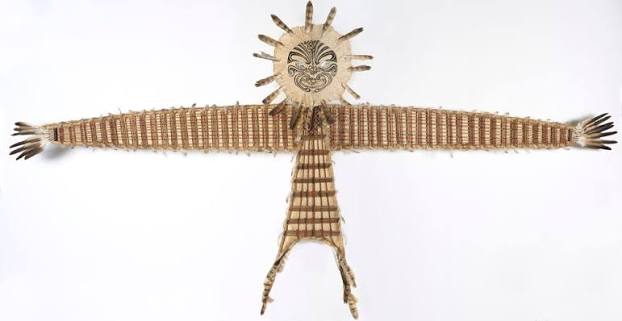
Manu tukutuku – Māori kites
Traditional Māori kites are considered an art-form as they exemplify the Māori worldview.
Manu means both kite and bird, and the word tukutuku refers to the winding out of the line as the kite ascends. Kites were also known as pākau, a name for the wing of a bird.
The frames of larger kites were usually made from selected lengths of mānuka (tea tree) and kareao (supple jack). Smaller kites were made from the stems of toetoe, kākāka (bracken), and rush.
The coverings of large kites were made from the bark of aute trees. Flying lines known as aho tukutuku were made from fine twisted cord made from the fibre of flax to bind the pieces together. Kites were decorated with feathers, shells, carved faces, and patterns using earth pigments.
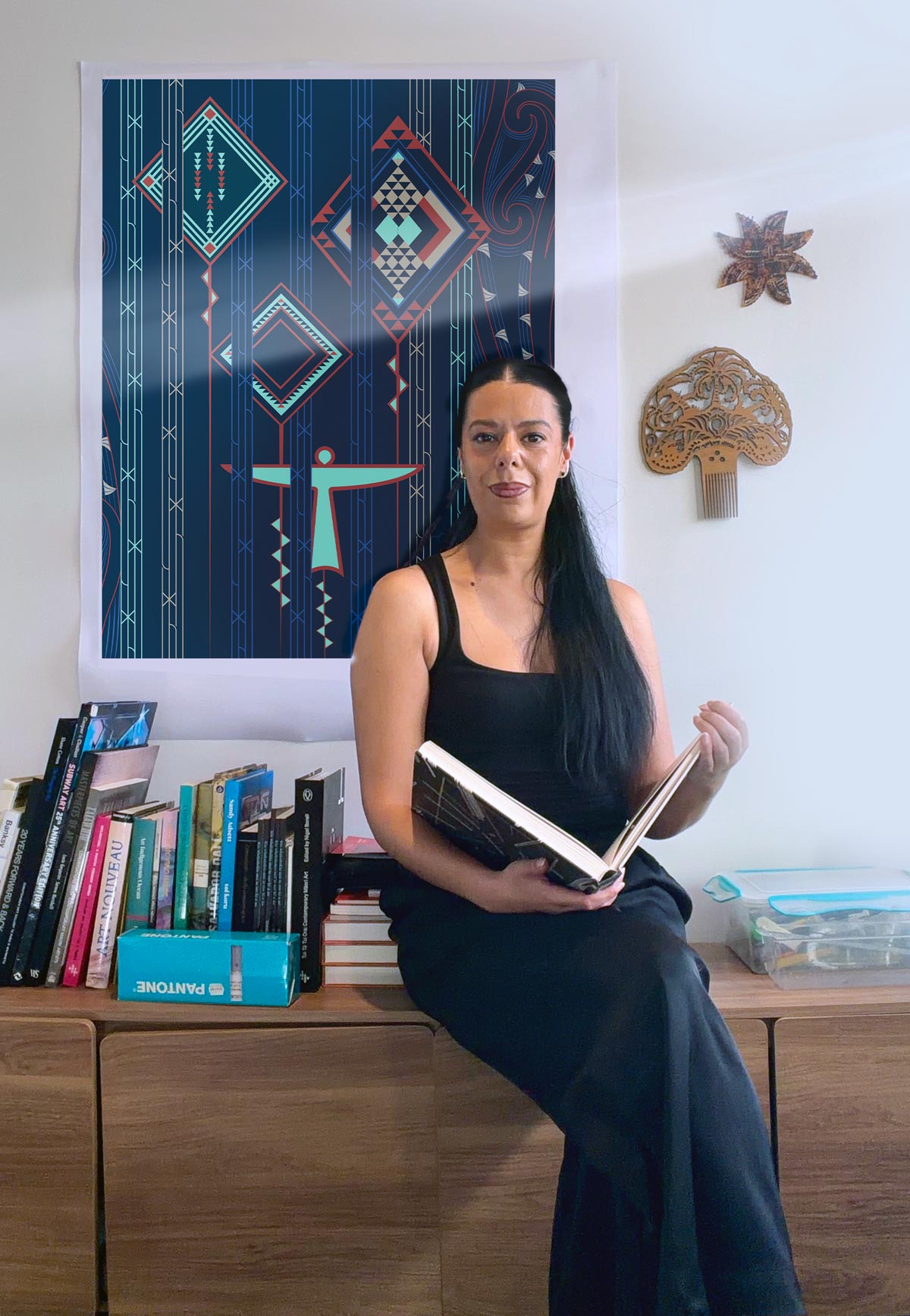
Chloē Reweti
Chloē Reweti (Ngāi Te Rangi, Ngāti Ranginui, Ngāti Tukorehe, Ngāti Porou) is an independent graphic designer in Te Whanganui-a-Tara Wellington. Chloē has previously held creative roles as a graphic designer for The National Museum of New Zealand Te Papa Tongarewa, and Art Director of graphic design at Wētā Workshop.
Chloe’s practice is informed by mātauranga Māori and toi Māori (Māori knowledge systems and art). Her work is robustly researched through conventional mediums like publications, as well as through intimate interactions with artists and makers. When in wānanga with these practitioners, she learns about the intricacies of their work to bring integrity and cohesiveness to her design.